




By clicking the “I Accept” button, or by accessing, participating, or submitting any information, or using the Jabil Global Intelligence Portal or any of its associated software, you warrant that you are duly authorized to accept the Global Intelligence Portal Terms and Conditions on behalf of your Company, intending to be legally bound hereby, and your company shall be bound by the terms and provisions of the Global Intelligence Portal Terms and Conditions, accessible under the following link Portal T&Cs.
Global Category Intelligence
Q2 2025
Global Category Intelligence
Q2 2025
TRADE COMPLIANCE: US-China Tensions at the Panama Canal
Categories: Global Influences (Geopolitical/Trade/Regulatory); Infrastructure & Transportation
Published: April 8, 2025
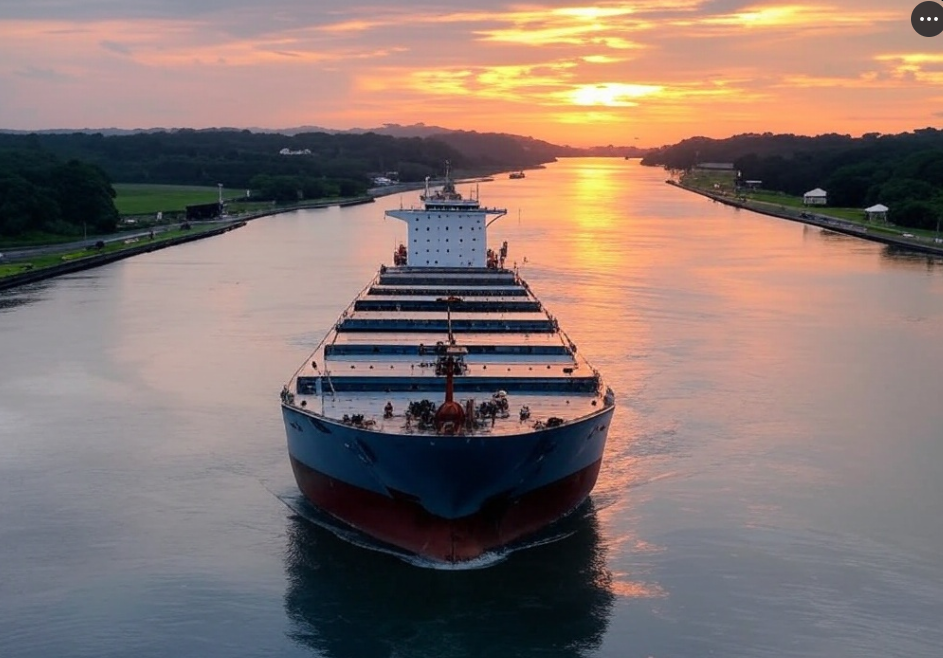 As of April 8, 2025, escalating U.S.-China tensions over the Panama Canal are creating fresh compliance challenges for indirect procurement professionals. Panama’s rejection of a $23 billion BlackRock port deal on March 31, 2025—reportedly under Chinese pressure—has intensified U.S. scrutiny, with the Trump administration threatening stricter sanctions enforcement. These geopolitical standoff risks disrupt trade compliance for indirect procurement teams managing global supplier networks, particularly for non-core goods like IT hardware and office supplies, demanding proactive measures to avoid penalties and delays.
Escalating Trade Compliance Risks
China’s influence over Panama Canal operations, including ports like Balboa and Cristobal, has enabled Iran to evade U.S. sanctions via Hong Kong proxies, as revealed by Panamanian court documents in March 2025. The U.S. response—heightened inspections and sanctions threats—targets Chinese firms like CK Hutchison, which operates canal-adjacent ports. This crackdown affects 40% of canal traffic, much of it U.S.-bound, with delays now reportedly averaging 5-7 days. The risk lies in sourcing from suppliers tied to sanctioned entities for indirect procurement, potentially violating U.S. trade laws like the Export Administration Regulations (EAR). Non-compliance could lead to fines of up to $1 million per violation, per U.S. Commerce Department guidelines.
Impact on Indirect Procurement
Indirect procurement often involves diverse, global suppliers for IT peripherals, marketing materials, and facilities equipment. A supplier inadvertently linked to a sanctioned Chinese or Iranian firm—common in electronics supply chains—could trigger compliance violations, halting shipments and incurring penalties. For example, a U.S. company sourcing cloud infrastructure hardware from an Asian vendor using Panama Canal routes might face delays or seizures if the supplier is blocked. The cost of compliance audits and legal support could rise 10-15%, straining budgets, while delayed deliveries disrupt operations, with lead times for indirect goods potentially extending 7-10 days if rerouting via the Cape of Good Hope becomes necessary.
Broader Implications for Indirect Spend
The Panama Canal tensions also intersect with sustainability goals, as companies may prioritize compliance over eco-friendly sourcing, despite recent pushes like the BBWT event in Helsinki (see our April 3, 2025 blog article on this topic, “INSIGHTS: Shaping Indirect Procurement”). Professional services spend, such as legal counsel for compliance, may spike, with online discussions noting a 12% rise in legal fees in Q1 2025. IT infrastructure, reliant on Asian hardware, faces heightened scrutiny, potentially delaying cloud deployments or software rollouts critical for remote work.
Key Takeaways
-
Audit Supplier Networks: Conduct due diligence on all indirect suppliers, especially in IT and facilities, to identify ties to sanctioned entities and reduce violation risks by 20-30%.
-
Enhance Compliance Training: Train procurement teams on EAR and OFAC regulations, focusing on Panama Canal routes, to avoid fines averaging $1 million per incident.
-
Diversify Sourcing: Shift to suppliers in non-sanctioned regions like the EU or North America, accepting 10% higher costs to ensure compliance and continuity.
-
Monitor U.S. Policy: Track Trump administration sanctions updates via the U.S. Commerce Department, adjusting procurement strategies within 48 hours of new rulings.
-
Leverage Legal Support: Allocate 5-10% of your budget to legal services for compliance audits, ensuring swift resolution of potential violations.

Back to Top