




By clicking the “I Accept” button, or by accessing, participating, or submitting any information, or using the Jabil Global Intelligence Portal or any of its associated software, you warrant that you are duly authorized to accept the Global Intelligence Portal Terms and Conditions on behalf of your Company, intending to be legally bound hereby, and your company shall be bound by the terms and provisions of the Global Intelligence Portal Terms and Conditions, accessible under the following link Portal T&Cs.
Global Category Intelligence
Q2 2025
Global Category Intelligence
Q2 2025
ALERT – Japan’s Nuclear Revival Signals Opportunities and Challenges
24 February 2025
Japan’s nuclear industry is entering a pivotal phase. The government has approved a plan to boost nuclear energy to nearly 20% of its energy mix by 2040—up from 5.6% in 2022—and the International Atomic Energy Agency (IAEA) is closely monitoring the ongoing Fukushima Daiichi decommissioning. These developments signal shifts in energy costs, supplier opportunities, and risk management strategies for indirect procurement professionals.
Here’s what you need to know.
Strategic Shift in Energy Policy
On Tuesday, Japan unveiled its Strategic Energy Plan, reversing its post-2011 Fukushima pledge to minimize nuclear reliance. The decision, driven by surging energy demands from Artificial Intelligence (AI) and semiconductor manufacturing, aims to stabilize power supplies while targeting renewables as the primary energy source by 2040. Nuclear power’s resurgence promises a reliable energy backbone for Japan’s industrial hubs, where indirect procurement teams source everything from facility maintenance services to IT infrastructure.
Rafael Grossi, IAEA Director, visited Fukushima on Wednesday, February 19, to oversee soil decontamination efforts and reinforce safety commitments. After meeting Japanese Foreign Minister Takeshi Iwaya, Grossi emphasized that Japan’s nuclear revival must prioritize safety and public trust—a nod to the global scrutiny following the 2011 tsunami-induced disaster, which killed 18,000 and marked the worst nuclear accident since Chernobyl.
For procurement professionals, this energy pivot could stabilize operational costs in Japan. Nuclear power’s predictability contrasts with volatile fossil fuel prices, potentially reducing electricity expenses for suppliers of non-core goods like office equipment, HVAC systems, or logistics services. As Japan powers its tech-driven economy, indirect procurement teams may see downstream benefits in supplier pricing and contract negotiations.
Fukushima Decommissioning
The Fukushima Daiichi cleanup, expected to span decades, involves removing 880 tons of radioactive debris—a task so far limited to small robotic samples. Grossi’s fifth visit highlighted temporary soil storage sites holding 13 million cubic meters of decontaminated earth and 300,000 cubic meters of incinerated waste. Japan plans to recycle 75% of this low-radioactivity soil for civil engineering projects like roads and rail tracks, with the rest slated for disposal by 2045.
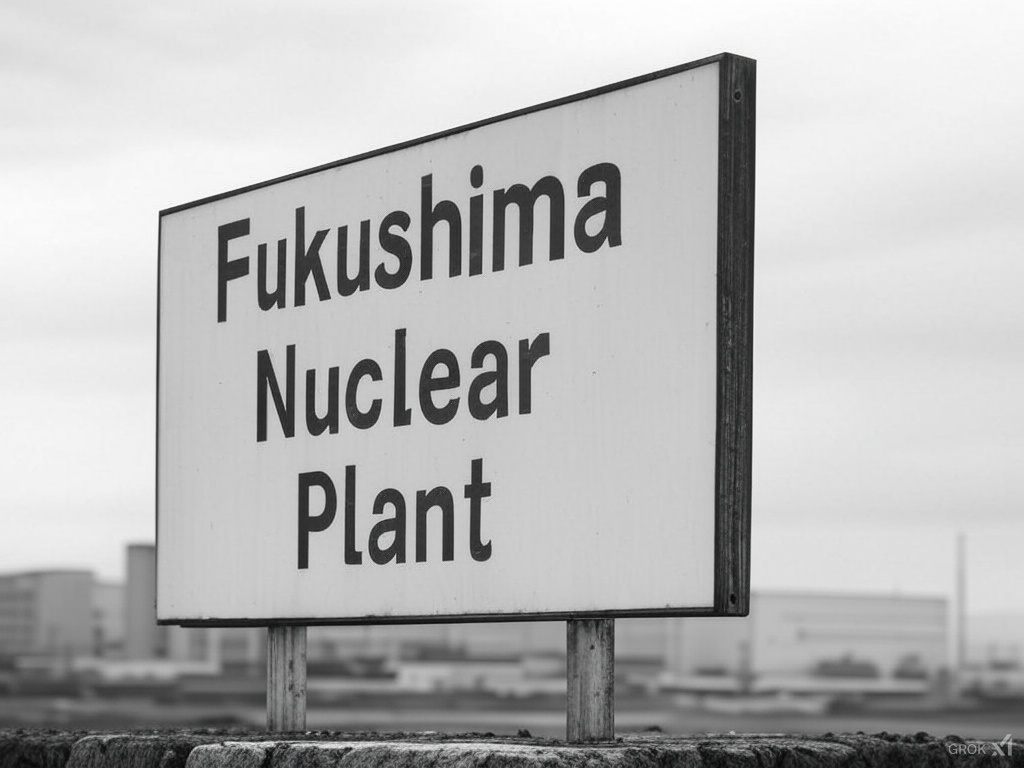.2025-02-24-21-56-52.jpg)
This massive undertaking opens doors for indirect procurement. Specialized services—think robotic maintenance, radiation testing equipment, and waste transport logistics—will see sustained demand. Companies providing facility management, PPE (personal protective equipment), or environmental consulting could find new contracts as Japan scales up operations. The IAEA’s September report, aligning Japan’s approach with UN safety standards, adds credibility, potentially easing supplier onboarding for procurement teams wary of nuclear-related risks.
Grossi’s confidence in the 2045 timeline—“not unrealistic”—offers procurement planners a clear horizon. Sourcing strategies can lock in long-term deals with vendors in waste management or construction support, capitalizing on a predictable project cadence. Meanwhile, seawater and fish sampling by IAEA experts alongside China and South Korea underscores transparency, mitigating trade risks that could affect indirect suppliers in Japan’s export ecosystem.
Broader Implications for Indirect Procurement
Japan’s nuclear revival isn’t just about Fukushima—it’s a strategic play to support industries driving global demand. Semiconductor factories and AI data centers, reliant on stable power, bolster Japan’s role as a tech supplier. For indirect procurement professionals, this enhances Japan’s appeal as a sourcing hub for IT hardware, software licenses, or facility upgrades, with energy reliability reducing supply chain disruptions.
Sustainability also comes into focus. With renewables leading by 2040 and nuclear as a cleaner backup, Japan aligns with corporate ESG (environmental, social, governance) goals. Procurement teams can tout partnerships with Japanese suppliers as a green credential, appealing to stakeholders prioritizing carbon footprints in indirect spend categories like travel or utilities.
Yet challenges linger. The nuclear stigma, regional tensions (e.g., China’s past seafood bans), and Fukushima’s long tail of costs could complicate supplier risk assessments. Procurement pros must weigh these against opportunities, ensuring robust due diligence on vendors tied to nuclear-adjacent projects.
Action Points
-
Cost Management: Leverage Japan’s energy stability for better pricing on indirect goods and services.
-
Supplier Sourcing: Target vendors in robotics, waste management, and civil engineering as Fukushima’s cleanup expands.
-
Risk Mitigation: Monitor IAEA updates and regional trade dynamics to refine supplier strategies.
Japan’s nuclear resurgence offers indirect procurement a mix of stability and specialization. Smart sourcing now could position teams ahead of the curve by 2045.

Back to Top