




By clicking the “I Accept” button, or by accessing, participating, or submitting any information, or using the Jabil Global Intelligence Portal or any of its associated software, you warrant that you are duly authorized to accept the Global Intelligence Portal Terms and Conditions on behalf of your Company, intending to be legally bound hereby, and your company shall be bound by the terms and provisions of the Global Intelligence Portal Terms and Conditions, accessible under the following link Portal T&Cs.
Global Category Intelligence
Q2 2025
Global Category Intelligence
Q2 2025
Indirect Procurement Powers the Flower Supply Chain
Category: Logistics
Published: March 11, 2025
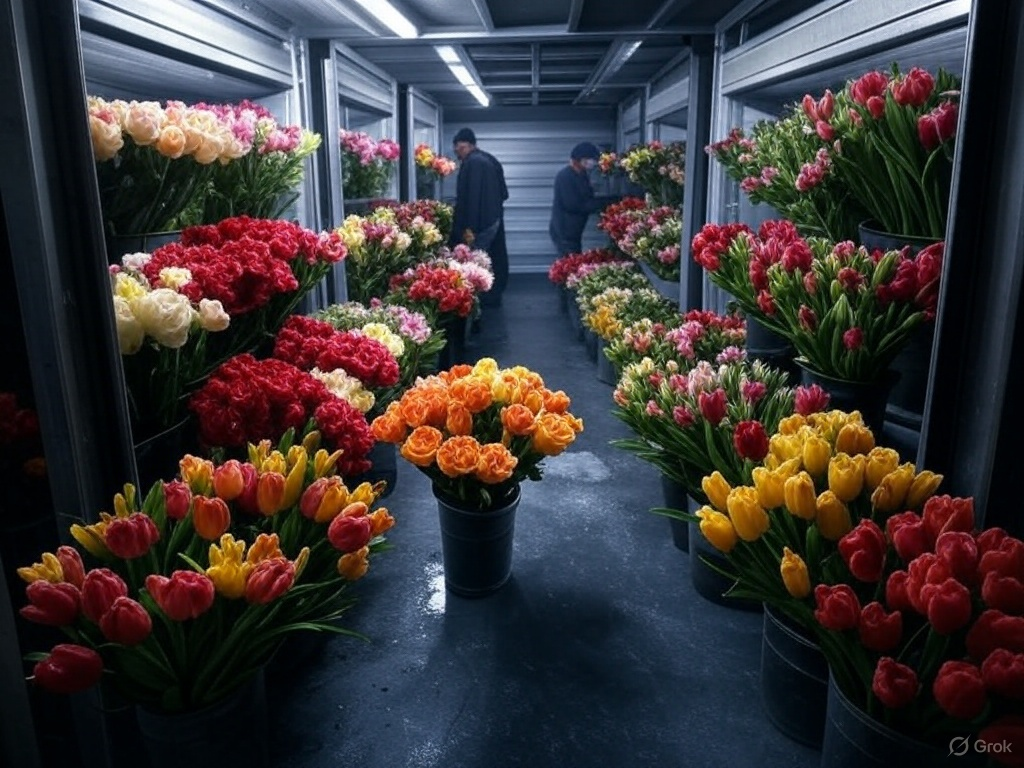 Miami International Airport (MIA) processes 90% of U.S. flower imports, doubling its haul to 940 million stems during Valentine’s Day season. While flowers are a direct procurement focus for retailers like Walmart or 1-800-Flowers, indirect procurement keeps the supply chain blooming: packaging materials (wrapping, ribbons, vases), cold chain logistics, warehouse operations, marketing services, and IT systems for order tracking.
Flowers are an indirect expense for industries like hospitality, event planning, or corporate offices—enhancing the ambiance or client experience. This unseen backbone shapes the floral trade, from MIA to global hubs, with key dates like International Women’s Day (March 8th), Middle East Mother’s Day (March 21st), and U.K. Mothering Sunday (March 30th, 2025) amplifying demand in early 2025.
The U.S. leans on Colombia and Ecuador for 80% of its flowers, with Avianca Cargo moving 18,000 tons to MIA on 300 flights for Valentine’s Day 2025. Cold chain logistics—temperature-controlled storage and transport—ensure freshness, while biodegradable packaging protects stems. MIA, LAX, and JFK warehouse operations distribute efficiently, and IT systems cut cargo acceptance times by 56% via virtual scheduling. Marketing fuels holiday peaks, including Mother’s Day and International Women’s Day, a global celebration boosting floral sales in offices and hotels. In 2024, U.S. imports from Colombia hit $1.14 billion through November, with 2025 poised for growth—driving indirect spend across these categories.
By the way, check out our article on the significant impact women have on the global supply chain, which we posted in observance of International Women's Day.
Globally, indirect procurement adapts to regional rhythms.
- Amsterdam’s Schiphol Airport, handling 50% of the world’s floral freight from Kenya and Ethiopia, powers Europe’s supply chain, including the U.K.’s Mothering Sunday on March 30th, 2025—the fourth Sunday of Lent.
- Daffodils and roses surge through Heathrow, supported by cold storage and IT upgrades for e-commerce like Bloom & Wild.
- On March 21st, Middle East Mother’s Day—tied to the spring equinox—spikes demand in Egypt, Lebanon, and Saudi Arabia, with hubs like Dubai International Airport (DXB) relying on heat-resistant logistics and vibrant packaging.
- International Women’s Day on March 8th adds an earlier peak, with firms worldwide buying flowers as indirect perks—think corporate gifts or lobby decor—leaning on Schiphol and Bogotá exports. Along with Japan’s Hanami or India’s Diwali, these dates stretch indirect procurement resources in spring.
Challenges and Innovations in Indirect Spend
Perishability tests indirect procurement daily. Weather delays disrupt cold chain logistics—crucial for Middle Eastern heat or U.K. dampness—while customs at MIA or DXB strain warehouse efficiency. For a hotel chain buying flowers for March 8th or 21st, late deliveries waste decor budgets. Innovations counter this: MIA and Schiphol doubled cooler capacities, carriers like Avianca boosted staffing by 30% for peaks, and AI-driven routing optimizes flights.
The March trifecta—International Women’s Day, Middle East Mother’s Day, and Mothering Sunday—occurs within 22 days, putting pressure on logistics and IT, especially for non-floral firms tracking smaller orders.
Sustainability ups the ante. Air freight’s carbon footprint drives indirect investments in carbon offsets and eco-friendly packaging—recyclable vases for U.K. buyers, compostable wraps for Dubai. Fuel-efficient planes trim logistics costs, a win for tight indirect budgets. As demand climbs—U.S. Mother’s Day rivals Valentine’s, while March 8th, 21st, and 30th layer on pressure—procurement teams balance cost, reliability, and green goals, supporting florists and corporate buyers alike.
Key Takeaways
-
Indirect Backbone: Packaging, cold chain logistics, warehouse ops, marketing, and IT systems power the floral supply chain, peaking at MIA and global hubs like Schiphol and DXB.
-
Beyond Retail: For hospitality, events, and offices, flowers are indirect spends—spiking for International Women’s Day (March 8th), Middle East Mother’s Day (March 21st), and U.K. Mothering Sunday (March 30th, 2025).
-
Economic Driver: U.S. imports hit $1.14 billion in 2024, with 2025 growth fueling indirect categories across spring holidays.
-
Spring Surge: March 8th (global), 21st (Middle East), and 30th (U.K.) test logistics and IT, with regional hubs adapting to cultural needs—vibrant wraps in Dubai, pastel tones in London.
-
Innovation Edge: Expanded coolers, staffing surges, and AI scheduling optimize operations, while carbon offsets and green packaging meet sustainability demands.
-
Strategic Focus: Procurement pros must align indirect spend with efficiency and resilience, from floral peaks to corporate accents.

Back to Top