




By clicking the “I Accept” button, or by accessing, participating, or submitting any information, or using the Jabil Global Intelligence Portal or any of its associated software, you warrant that you are duly authorized to accept the Global Intelligence Portal Terms and Conditions on behalf of your Company, intending to be legally bound hereby, and your company shall be bound by the terms and provisions of the Global Intelligence Portal Terms and Conditions, accessible under the following link Portal T&Cs.
Global Category Intelligence
Q2 2025
Global Category Intelligence
Q2 2025
ALERT: Freight Rate Volatility Hits Indirect Logistics
Categories: Logistics; Cost Management
Published: April 2, 2025
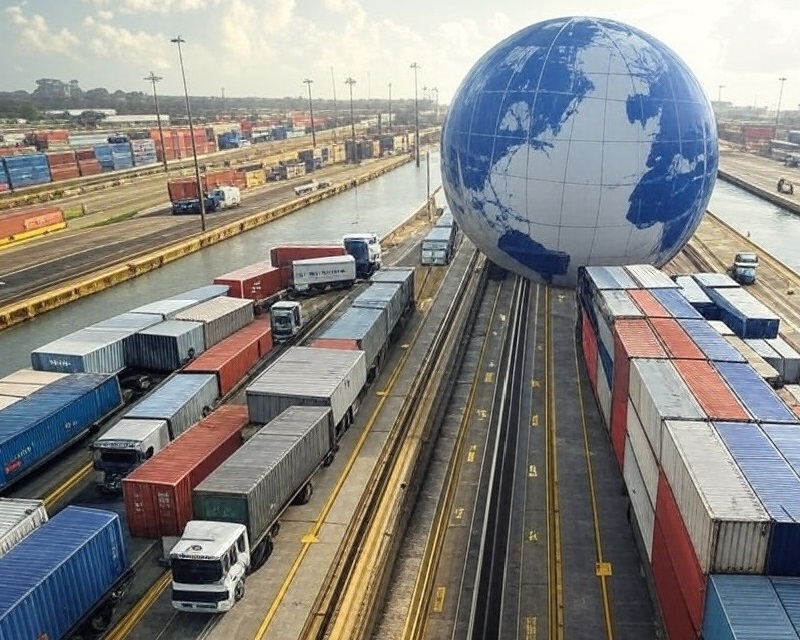 As of April 2, 2025, freight rate volatility is shaking up indirect logistics, a critical area for procurement professionals managing non-production spend. Global shipping costs have surged 15-20% in Q1 2025, according to UN Trade and Development (UNCTAD) data, driven by geopolitical tensions at the Panama Canal and massive flooding in western Queensland, Australia. This escalation threatens budgets and delivery timelines for indirect procurement—overseeing shipments of office equipment, marketing materials, and facility supplies. With lead times stretching and supplier reliability in question, the pressure is on to adapt swiftly to this turbulent landscape.
The Drivers of Freight Rate Chaos
Two major events are fueling this volatility. First, China’s expanding influence over the Panama Canal, highlighted by Panama’s rejection of a $23 billion BlackRock port deal on March 31, 2025, has intensified U.S.-China tensions. Panamanian court documents reveal Iran’s use of Hong Kong proxies to evade sanctions, prompting stricter U.S. inspections that delay 40% of canal traffic—much of it U.S.-bound goods. Second, western Queensland’s unprecedented flooding, covering an area the size of New South Wales, has disrupted Australia’s export logistics. Over 150,000 livestock have been lost, and 5,000 km of damaged roads have bottlenecked transport to ports like Brisbane, with ripple effects on container availability across the Pacific. Posts on X and industry reports note a 5-10 day increase in shipping delays, pushing carriers like Maersk and MSC to hike rates as capacity tightens.
Impact on Indirect Procurement
For indirect procurement, the stakes are high. Unlike direct materials tied to production, indirect goods often lack the urgency to command priority shipping slots. Yet, their timely delivery keeps operations humming. The current freight surge adds 15-20% to logistics costs, per UNCTAD, directly hitting budgets already stretched by inflation. Lead times for sea freight from Asia to North America or Europe, typically 30-40 days via the Panama Canal, now risk stretching to 45-50 days if rerouting via the Cape of Good Hope becomes necessary (adding 10-14 days). Suppliers of office furniture or IT peripherals, reliant on just-in-time models, may struggle to meet SLAs, forcing procurement teams to scramble for alternatives. Meanwhile, air freight—a common fallback—has seen rates jump 25% due to demand, per IATA, making it a costly fix.
Companies and Categories in the Crosshairs
Major logistics players like Maersk, FedEx, and DHL, which handle indirect shipments, are passing on rate increases, squeezing procurement margins. Office supply giants such as Staples or Office Depot, dependent on Asian manufacturing, face delayed restocks, while facility vendors like Grainger (MRO supplies) report longer lead times for imported tools. Marketing teams awaiting trade show materials or branded merchandise could see campaign timelines slip. Even smaller regional suppliers in Australia, tied to Queensland’s recovery, may falter, disrupting local sourcing. The ripple effect hits diverse spend categories—office equipment, professional services, logistics, and travel-related freight—demanding a strategic response.
Key Takeaways
-
Consolidate Shipments: Bundle orders across departments to secure better rates and priority with carriers, potentially offsetting 5-10% of cost hikes.
-
Nearshore Suppliers: Shift sourcing to regional vendors (e.g., Mexico for North America, Eastern Europe for EU) to cut transit times by 10-15 days, despite 10% higher unit costs.
-
Negotiate Flexibility: Amend contracts with logistics providers to include delay clauses or rate caps, protecting budgets from sudden 20% spikes.
-
Leverage Technology: Use real-time freight tracking tools to reroute shipments dynamically, reducing delays by 2-5 days.
-
Build Buffers: Stockpile 4-6 weeks of critical indirect goods (e.g., IT hardware, cleaning supplies) to bridge gaps, balancing cost with continuity.

Back to Top