




By clicking the “I Accept” button, or by accessing, participating, or submitting any information, or using the Jabil Global Intelligence Portal or any of its associated software, you warrant that you are duly authorized to accept the Global Intelligence Portal Terms and Conditions on behalf of your Company, intending to be legally bound hereby, and your company shall be bound by the terms and provisions of the Global Intelligence Portal Terms and Conditions, accessible under the following link Portal T&Cs.
Global Category Intelligence
Q2 2025
Global Category Intelligence
Q2 2025
The Santo Domingo Nightclub Collapse: A Wake-Up Call for Procurement Resilience
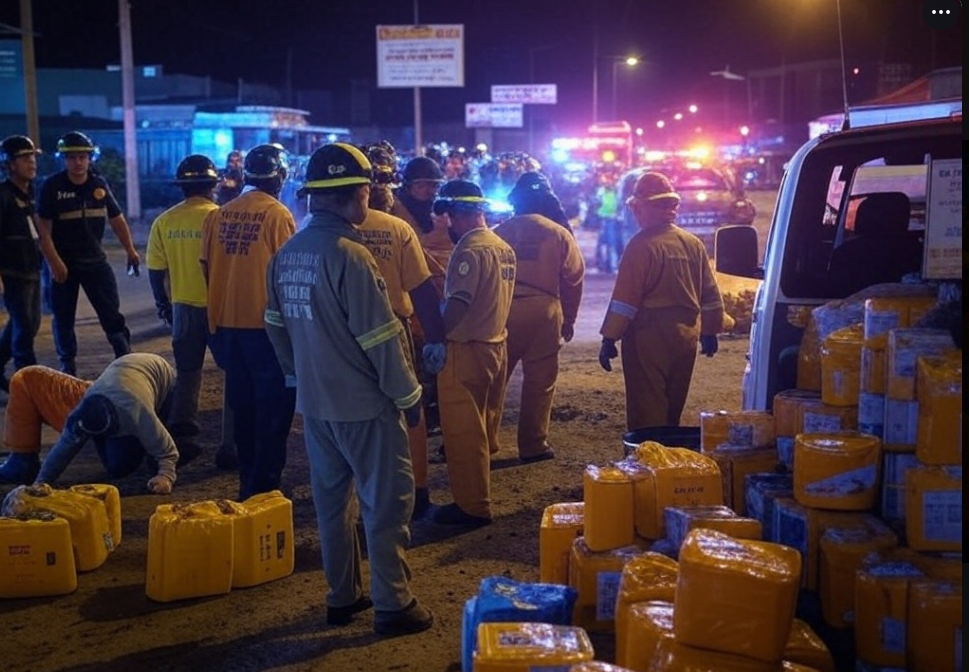 This morning, April 10, 2025, the world is grappling with the aftermath of the Jet Set nightclub roof collapse in Santo Domingo, Dominican Republic. The disaster, which killed at least 218 people and injured over 200 during a merengue concert, has shifted from rescue to recovery.
For professionals managing the less visible side of supply chains—think energy sourcing, logistics coordination, or compliance oversight—this tragedy isn’t just a headline. It’s a stark reminder of how localized shocks can test the systems we oversee, even if the global impact remains contained.
Start with logistics. Santo Domingo is a Caribbean trade hub, and the collapse has snarled local infrastructure. Roads are clogged with emergency crews, and resources are diverted to recovery efforts. This could mean delayed shipments or unexpected cost spikes for teams handling third-party logistics (3PL) or maintenance, repair, and operations (MRO) supplies. Last week’s freight rate volatility alert (April 2) already flagged pressures; regional planners might need to reroute or renegotiate to keep goods moving. It’s a small ripple, not a tidal wave, underscoring the need for flexible networks.
Energy sourcing faces its challenges. The already stretched Dominican Republic’s power grid prioritizes hospitals and rescue sites, pulling fuel and generators away from industrial use. Professionals managing power for automation systems or warehouse operations might encounter tighter supplies or higher rates if they tap regional providers. This isn’t a global crisis, but it’s a nudge to secure backup options—maybe even renewable ones—aligning with long-term resilience goals.
Compliance and capital projects are under the microscope, too. Allegations of negligence in the nightclub’s construction have sparked safety debates. Teams overseeing warehouse builds, automation upgrades, or surface-mount technology (SMT) installations may need to double-check supplier adherence to local codes. Sourcing materials like steel or solder from regions with shaky oversight? That’s a risk worth reassessing. This ties back to the transparency push we flagged in our April 3 sustainability feature—buyers want proof their partners prioritize safety, not just savings.
On the operational side, automation and IT crews could see a spike in demand for risk-monitoring tools, such as cloud software tracking structural integrity or IoT sensors in facilities. The loss of notable figures, from athletes to government officials, highlights human capital risks tied to physical assets. Meanwhile, contingent labor pools might thin as skilled workers shift to recovery, driving up costs for maintenance or tech services. It’s a subtle shift, but one that could strain budgets.
Sustainability takes a front seat here. The collapse exposes urban planning and resource management flaws, pressing procurement leaders to rethink supplier ecosystems. Are your logistics partners equipped for sudden disruptions? Do your energy contracts flex under pressure? Professional services firms might see a boom in demand for risk expertise, while 3PLs pivot to relief efforts. This echoes the resilience themes we’ve tracked—like Panama Canal tensions (April 8)—where adaptability is king.
Key Takeaways
For those of us in procurement’s less glamorous corners, this isn’t about global supply chain chaos but preparedness. The Santo Domingo tragedy asks tough questions:
-
Can your logistics pivot fast?
-
Are your suppliers compliant and reliable?
-
Does your energy plan hold up under strain?
This event won’t rewrite trade maps, but it’s a compelling case for tightening contingency strategies. As 2025 unfolds, expect it to spark quiet but critical conversations among procurement teams balancing cost, risk, and resilience.

Back to Top