




By clicking the “I Accept” button, or by accessing, participating, or submitting any information, or using the Jabil Global Intelligence Portal or any of its associated software, you warrant that you are duly authorized to accept the Global Intelligence Portal Terms and Conditions on behalf of your Company, intending to be legally bound hereby, and your company shall be bound by the terms and provisions of the Global Intelligence Portal Terms and Conditions, accessible under the following link Portal T&Cs.
Global Category Intelligence
Q2 2025
Global Category Intelligence
Q2 2025
ALERT – Jakarta Floods Disrupt Regional Supply Chains, Threaten Global Trade
Categories: Natural Disasters; Infrastructure & Transportation
Published: March 5, 2025
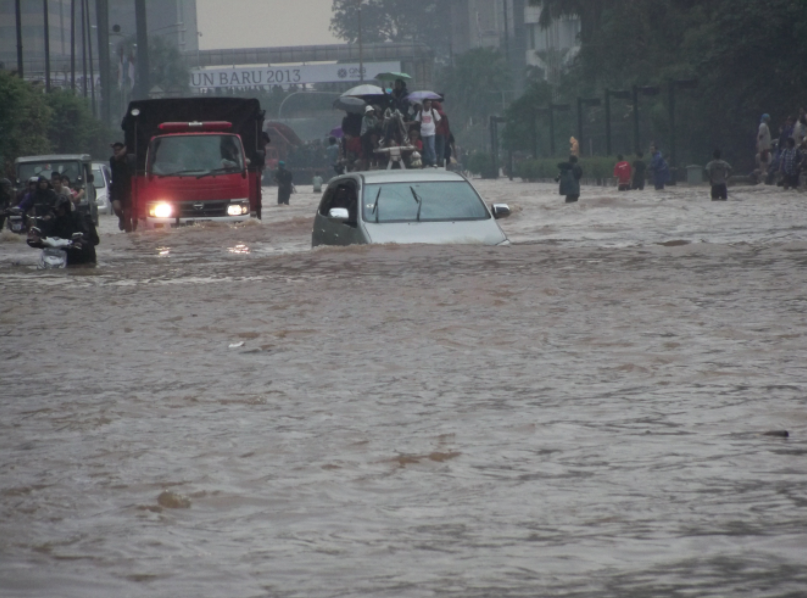 Heavy rains in Jakarta since Monday have caused extensive flooding, submerging over 1,000 homes, affecting 89 neighborhoods, and displacing thousands of residents. The floods, reaching depths of up to three meters (nearly 10 feet) in some areas, have significantly impacted Indonesia's economy and regional supply chains.
The National Disaster Mitigation Agency (BNPB) reports that 124,816 people have been affected across the Greater Jakarta area, including Bogor, Depok, Tangerang, and Bekasi.
The flooding has caused widespread disruption to transportation and business operations:
-
Major roads are impassable, with floodwaters around one meter (over three feet) high inundating five West and South Jakarta roads.
-
A hospital in Bekasi has been partially flooded, forcing patient evacuations and causing power outages.
-
The industrial parks in East Jakarta, home to various suppliers and manufacturers, are largely inaccessible.
Risk to the Supply Chain
The crisis poses significant risks to regional and global supply chains:
-
Port operations: Tanjung Priok port, which handles 50% of Indonesia's exports, may face reduced throughput due to flooded access roads.
-
Manufacturing delays: If supplies from East Jakarta factories are delayed, electronics firms in Japan and South Korea could experience production disruptions.
-
Increased costs: Logistics companies are rerouting trucks around flood zones, potentially increasing transport expenses.
-
Labor shortages: With thousands displaced, businesses may face staffing challenges, particularly in call centers and administrative support sectors.
The BNPB has scheduled a weather modification operation in the Puncak Bogor area from March 4 to 8 to reduce rainfall intensity. However, heavy rain is forecast to continue until March 11, according to the country's weather agency.
Key Takeaways
For procurement leaders, immediate action is crucial. Essential steps include mapping affected vendors, identifying backup suppliers in unaffected areas, and monitoring port updates. Long-term strategies may include diversifying supply chains beyond Jakarta to mitigate future climate-related risks.
As the situation continues to evolve, the full extent of the impact of the supply chain remains to be seen. The ongoing floods serve as a stark reminder of the vulnerability of global trade networks to climate-related disruptions.

Back to Top