




By clicking the “I Accept” button, or by accessing, participating, or submitting any information, or using the Jabil Global Intelligence Portal or any of its associated software, you warrant that you are duly authorized to accept the Global Intelligence Portal Terms and Conditions on behalf of your Company, intending to be legally bound hereby, and your company shall be bound by the terms and provisions of the Global Intelligence Portal Terms and Conditions, accessible under the following link Portal T&Cs.
Global Category Intelligence
Q2 2025
Global Category Intelligence
Q2 2025
Near-Shoring MRO Supplies: A Strategic Response to Tariff Turbulence
MRO
Categories: Global Influences; Trade/Regulatory
Published: April 4, 2025
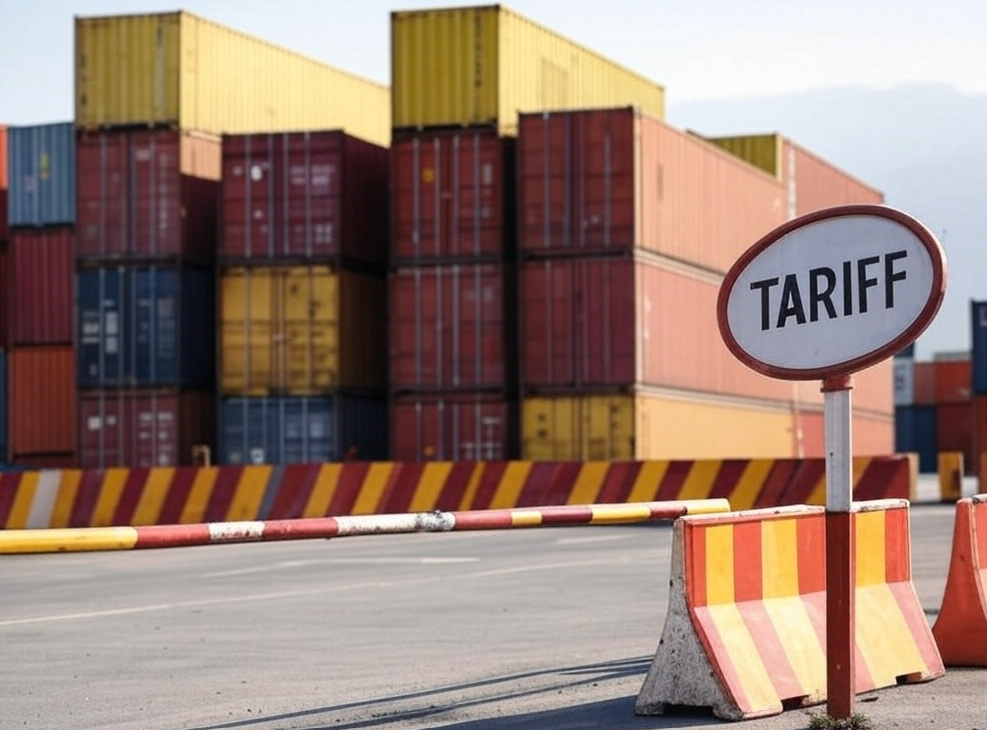 The indirect procurement landscape is facing a seismic shift. New tariffs were imposed on April 3, 2025, sending shockwaves through global supply chains. For professionals managing Maintenance, Repair, and Operations (MRO) supplies, these tariffs amplify a pressing challenge: balancing cost, availability, and resilience. Enter near-shoring—a strategy gaining traction as companies rethink their sourcing models to mitigate tariff impacts and build agility. Here’s why near-shoring MRO supplies is becoming a hot topic and how it’s reshaping the game.
Tariffs Turn the Screws on MRO
MRO supplies—everything from spare parts to industrial lubricants—are the lifeblood of operational continuity. Historically, many organizations have relied on distant, low-cost suppliers, often located in Asia, to reduce expenses. But the tariffs announced yesterday, targeting a range of imported goods, have flipped the script. Web reports indicate that these measures, aimed at boosting domestic manufacturing, could increase costs for imported MRO items by 10-25%, depending on the category.
On social media, one user, a logistics manager, posted on April 3: “Day 1 of the new tariffs, and my MRO vendor quotes are up 15%. Time to rethink the map.” Another procurement analyst said, “Near-shoring isn’t just a buzzword anymore—it’s a matter of survival.” The sentiment is clear: global sourcing is under pressure, and MRO, often a fragmented and reactive spend category, is feeling the heat.
Why Near-shoring Makes Sense Now
Near-shoring—relocating supply chains closer to home, often within the same region, such as North America or neighboring countries—offers a lifeline. Unlike offshoring, it slashes lead times and reduces exposure to international trade barriers. For MRO, where downtime can cost millions, speed is king. A recent web article from a supply chain journal highlighted that near-shoring can cut delivery times by up to 60% compared to trans-Pacific routes, a statistic that’s hard to ignore when a machine is idle.
Cost is the elephant in the room, though. Labor and production in near-shore markets like Mexico or Canada may not match Asia’s rock-bottom rates. However, the gap narrows due to factoring in the new tariffs and rising freight costs (up 8% year-over-year, according to web data). A growing consensus is emerging in online discussions: the total cost of ownership, factoring in risks such as disruptions and now tariffs, tips the scales toward regional suppliers. One procurement director tweeted, “Near-shoring MRO isn’t cheap upfront, but cheaper than a plant shutdown.”
The Resilience Factor
Beyond economics, near-shoring builds resilience. The past few years taught us that long supply lines snap under stress—pandemics, geopolitical tensions, or now, trade wars. MRO supplies, often sourced ad hoc, are especially vulnerable. Web analyses point to Mexico as a rising star, with its proximity to the U.S., established manufacturing base, and trade-friendly USMCA framework, which sidesteps many tariff woes. Reportedly, there has been a surge in inquiries to Mexican suppliers, with one quipping, “Tariffs hit, and suddenly everyone’s calling Tijuana.”
This isn’t just about dodging duties. Regional sourcing aligns with sustainability goals—a priority for 2025, as procurement teams face pressure to cut carbon footprints. Shorter shipping distances result in lower emissions, a win for ESG metrics increasingly dictating corporate strategy.
Challenges to Watch
Near-shoring isn’t a silver bullet. Capacity constraints in near-shore markets could bottleneck supply, particularly for specialized MRO items such as precision tools or rare components. Web reports warn that regional suppliers may struggle to scale fast enough to meet demand spikes triggered by the tariff shift. Quality control and compliance with industry standards also loom large—procurement pros can’t afford to trade cost savings for downtime risks.
Key Takeaways
The tariff storm is here, and near-shoring MRO supplies offers a strategic pivot. Here’s how to act:
-
Audit Your Supply Base Now: Map your current MRO suppliers and identify the hardest hit by the new tariffs. Prioritize high-volume or critical items for near-shoring evaluation.
-
Run the Numbers: Compare offshore versus near-shore options' landed costs (including tariffs, freight, and lead times). Don’t just chase unit price—think total cost and risk.
-
Test Regional Partners: Begin with small-scale pilot programs in markets like Mexico or Canada. Vet suppliers for capacity, quality, and reliability before scaling.
-
Build Flexibility: Utilize dual sourcing where possible to hedge against capacity crunches. Keep some offshore options in play for non-tariffed categories.
-
Leverage Technology: Utilize procurement platforms to track real-time tariff impacts and monitor supplier performance. Data drives decisions here.
Near-shoring MRO supplies isn’t a trend—it’s a necessity sparked by yesterday’s tariffs. For indirect procurement and supply chain pros, it’s time to redraw the map, balancing cost, speed, and stability in a world where the old rules no longer apply.

Back to Top