




By clicking the “I Accept” button, or by accessing, participating, or submitting any information, or using the Jabil Global Intelligence Portal or any of its associated software, you warrant that you are duly authorized to accept the Global Intelligence Portal Terms and Conditions on behalf of your Company, intending to be legally bound hereby, and your company shall be bound by the terms and provisions of the Global Intelligence Portal Terms and Conditions, accessible under the following link Portal T&Cs.
Global Category Intelligence
Q2 2025
Global Category Intelligence
Q2 2025
PROCUREMENT 101 – Semiconductors: End Product vs. Core Input
A Must-Know for Indirect Procurement Pros
Category: Foundational Knowledge
Published: February 27, 2025
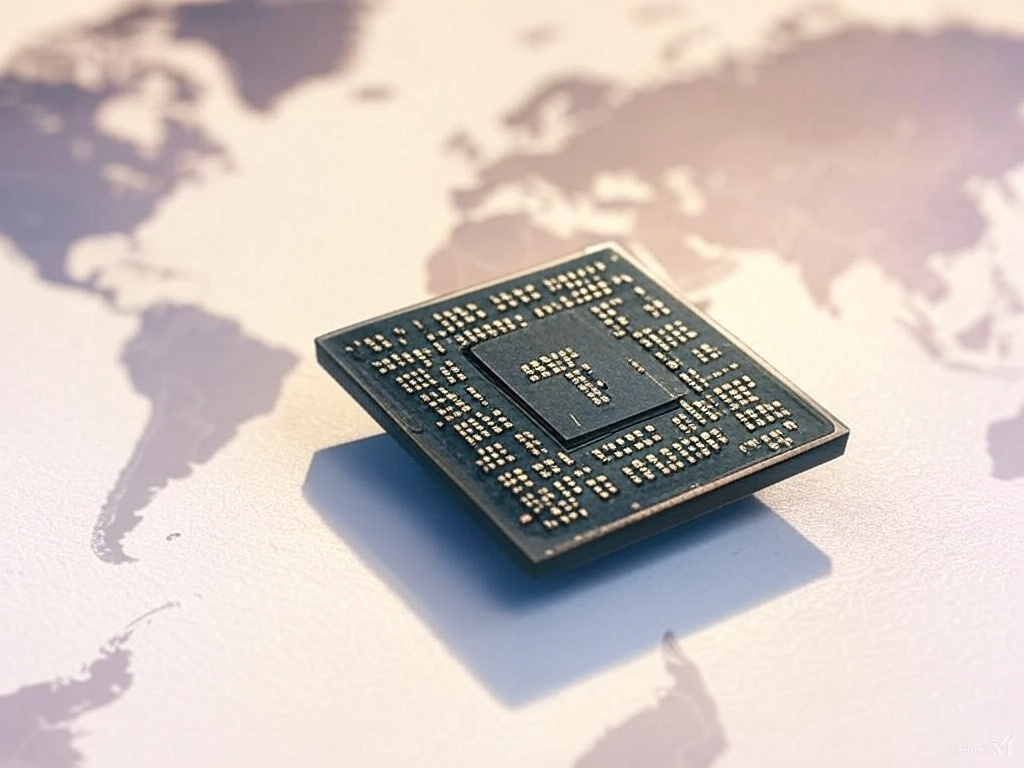 If you’ve ever wondered why headlines about semiconductor shortages send ripples through your procurement inbox, you’re not alone. For indirect procurement professionals—those unsung heroes keeping offices humming, data centers powered, and logistics rolling—semiconductors might feel like a distant buzzword. Are they the finished goods you order, like a shiny new laptop? Or are they something deeper, something foundational that quietly shapes your world? Spoiler: It’s the latter. Understanding semiconductors as core inputs, not end products, is key to navigating today’s supply chain chaos. Let’s break it down.
What Are Semiconductors, Anyway?
Picture a tiny chip—smaller than your fingernail—made of silicon. That’s a semiconductor. It’s not much to look at, but it’s the brain (or muscle) behind nearly every electronic device you touch. Microprocessors crunch data, memory chips store it, and sensors detect the world around them. On their own, they’re useless to you. You’re not signing a PO for a loose Intel Core i7 to plop on your desk. But without them, the tools you do procure—laptops, servers, smart thermostats—don’t exist.
Think of semiconductors like flour in a bakery. You don’t buy flour to snack on; you buy the bread it becomes. Semiconductors are the flour—essential ingredients baked into the finished goods that keep your business running.
End Product vs. Core Input: Why the Distinction Matters
Here’s where the confusion creeps in. When tech news raves about “chip shortages” or “new semiconductor restrictions,” it’s easy to picture semiconductors as the end game—like they’re the prize you’re after. However, in indirect procurement, your end products are the laptops for your new hires, the routers for your network, or the RFID scanners in your warehouse. Semiconductors are the core inputs inside them, sourced and assembled by manufacturers like Dell, Cisco, or Zebra long before those goods hit your supplier’s catalog.
-
End Product (What You Procure): The finished, ready-to-use item. A server rack for your IT team or an IoT security camera for your office. You budget for these deliverables, negotiate over, and track delivery timelines.
-
Core Input (What Powers It): The semiconductors—CPUs, memory chips, sensors—that make those end products work. You don’t buy them directly, but their availability and cost dictate whether your end products show up on time and on budget.
For indirect procurement, this distinction isn’t academic—it’s operational. When semiconductors get scarce or pricey, your end products feel the pinch. Lead times stretch, costs climb, and suddenly you’re explaining to leadership why that office rollout is delayed.
A Real-World Example: Your Next IT Refresh
Imagine you’re tasked with outfitting a new regional hub: 50 laptops, a server rack, and some smart lighting to keep energy costs down. You send RFQs to your usual vendors—say, Lenovo for laptops and HPE for servers. Then a headline drops: “U.S. Tightens Semiconductor Restrictions on China.” What happens next?
-
Upstream Ripple: China’s a big player in chip production. Restrictions cut supply, and manufacturers like Lenovo can’t get enough processors or memory chips.
-
Your Reality: Lenovo pushes delivery from six weeks to six months. HPE hikes server prices 15% because they’re sourcing chips from costlier regions like Taiwan. Your smart lights? Backordered—those sensors rely on chips too.
-
Your Move: You’re now hunting for backup suppliers, eating the cost increase, or delaying the project—all because of a core input you never directly touch.
This isn’t about procuring semiconductors themselves. It’s about how their role as a foundational piece shakes the supply chain you do manage.
Why Indirect Procurement Should Care
Unlike direct procurement—where teams buy raw materials like steel or chips for a factory’s assembly line—indirect procurement focuses on operational goods: IT gear, facility upgrades, logistics tech. You’re not in the weeds of chip design, but you’re absolutely in the fallout zone when their supply falters. Here’s why it hits you:
-
Cost Control: Semiconductor shortages or tariffs (like those on copper, another tech staple) drive up end-product prices. Your budget for that server upgrade just got tighter.
-
Availability: A chip bottleneck delays finished goods. That IoT system for your warehouse? Stuck in limbo.
-
Supplier Risk: Your vendors depend on chipmakers. If they stumble, you’re the one pivoting to Plan B.
Take the 2021–2022 chip shortage: carmakers stalled production, but so did laptop and server makers. Indirect procurement teams faced 12-month lead times for basic IT kit, forcing rushed orders at premium rates or scaled-back plans. That’s your world, not the factory floor.
What You Can Do About It
You don’t need a PhD in silicon to stay ahead. Here’s how to turn this knowledge into action:
-
Know Your Exposure: Ask vendors how reliant their products are on semiconductors. A quick “What’s your chip supply look like?” can reveal risks.
-
Buffer Smartly: Stockpile critical end products (like laptops) when supply is stable before the next shortage hits.
-
Diversify Sources: If your IT supplier leans heavily on China-sourced chips, scout alternatives with broader supply chains.
-
Track the News: Headlines about restrictions or tariffs aren’t just tech noise—they’re your early warning system. The best way of doing this is subscribing to Jabi’s 24-hour news service. Reach out to me to secure a free demo!
The Bottom Line
Semiconductors aren’t your end product—they’re the core input powering the goods you procure. For indirect procurement pros, that’s the lens that matters. Next time you see “chip crisis” in the news, don’t shrug it off. It’s not about the chips themselves; it’s about the laptops, servers, and scanners you’re counting on—and the moves you’ll need to make when they’re late or overpriced. Understanding this foundation doesn’t just clarify the chaos—it gives you a leg up in managing it.
Stay tuned to Foundational Knowledge for more breakdowns of the forces shaping your procurement world.

Back to Top