




By clicking the “I Accept” button, or by accessing, participating, or submitting any information, or using the Jabil Global Intelligence Portal or any of its associated software, you warrant that you are duly authorized to accept the Global Intelligence Portal Terms and Conditions on behalf of your Company, intending to be legally bound hereby, and your company shall be bound by the terms and provisions of the Global Intelligence Portal Terms and Conditions, accessible under the following link Portal T&Cs.
Global Category Intelligence
Q2 2025
Global Category Intelligence
Q2 2025
FEATURE: The Unsung Heroes -- How 3PLs Shape Indirect Procurement
Categories: Foundational Knowledge; Procurement 101
Published: April 1, 2025
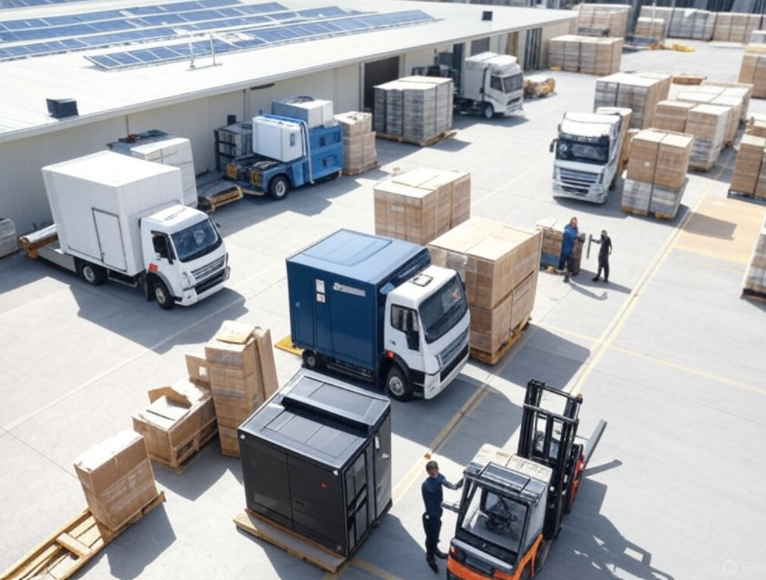 For indirect procurement professionals, third-party logistics (3PL) providers are the quiet engines keeping the wheels turning. From delivering office supplies to ensuring MRO spares reach the factory floor, 3PLs handle the complex logistics of non-core goods, allowing procurement teams to focus on strategy. Their role is indispensable—but it's evolving fast. Global disruptions, tech breakthroughs, and shifting priorities are rewriting the script for 3PLs over the next few years. Here's how they fit into today's indirect procurement puzzle and where they're headed tomorrow.
The Backbone of Indirect Logistics
3PLs like DHL Supply Chain, XPO Logistics, and Kuehne+Nagel are the go-to partners for moving indirect goods—think printer toner, janitorial supplies, or IT hardware. They manage transportation (ocean freight, trucking, air), warehousing (stocking spare parts near your sites), and last-mile delivery (getting those ergonomic chairs to the office). Beyond hauling boxes, they consolidate shipments to cut costs, clear customs for global buys, and even kit MRO items for maintenance crews. For procurement pros, this outsourcing is a lifeline: it slashes overhead, scales with demand, and keeps low-value, high-volume spend from bogging down the team.
Take a typical scenario: a multinational needs facility supplies across 20 locations. A 3PL like UPS Supply Chain Solutions bundles orders, optimizes trucking routes, and stores extras in a regional hub—saving procurement from juggling carriers or leasing warehouses. It's not glamorous, but it's efficient. And with indirect spend often eating 15-20% of revenue (per Deloitte benchmarks), that efficiency matters.
Today's Pressure Points
The world's throwing curveballs at 3PLs in 2025—supply chain snarls, fuel cost spikes, and geopolitical friction (think U.S.-China trade issues). These hit indirect goods harder than you'd expect. Shipping rates are up 10-20% on key routes as vessel capacity tightens. 3PLs pass those costs to clients through surcharges or renegotiated contracts, forcing procurement to rethink budgets. Delays—say, for Asian-sourced IT equipment—stretch lead times, risking facility downtime if MRO stock runs dry. And as vendors lean on 3PLs to deliver, reliability is under the microscope; one slipped SLA can trigger a cascade of headaches.
Yet 3PLs are adapting. They're rerouting around bottlenecks (e.g., favoring Mexican ports over Asian ones), stockpiling locally to dodge delays, and leaning on data to predict disruptions. For indirect procurement, this means a trade-off: higher costs for stability, but less control as 3PLs call the shots more often.
The Next Few Years: A Shift in the Game
By 2028, the role of 3PLs in indirect procurement will look different, driven by technology, sustainability, and nearshoring trends. First, technology is turbocharging their game. AI-driven platforms (for example, Blue Yonder or Llamasoft) will enable 3PLs to optimize routes in real-time, reducing fuel use and costs for trucking office supplies. IoT sensors in warehouses will track MRO inventory down to the bolt, syncing with procurement systems to auto-replenish—less guesswork, more precision. Online discussions are trending on 3PLs like CEVA piloting drone drops for urgent spares; expect that to scale for indirect needs.
Sustainability's another pivot. Procurement pros face mounting pressure to green their spend, including indirect. 3PLs will lead the way, swapping diesel fleets for electric trucks (DHL targets 60% EV by 2030) and offsetting carbon emissions for air freight. This will cost more upfront—think a 5-10% rate hike—but it's a win for ESG goals, especially if regulators tighten emissions rules by 2027, as some predict.
Nearshoring is the wildcard. With global trade wobbling, companies are pulling supply chains closer—Mexico over China, say. 3PLs like XPO, which are strong in overland haulage, will pivot to regional hubs, reducing their reliance on ocean freight for indirect goods. This shrinks lead times (good for MRO) but spikes unit costs—procurement might pay 15% more for U.S.-made toner vs. Asian imports. 3PLs will pitch this as resilience; it's up to procurement professionals to crunch the numbers.
What It Means for You
The 3PL evolution presents both tools and challenges to indirect procurement. Technology and sustainability boost visibility and compliance, which is great for justifying spending to the C-suite. But rising costs and shifting footprints demand sharper vendor management. Lock in multi-year contracts now to hedge against rate fluctuations, stress-test 3PLs' regional capabilities, and push for data integration to stay informed about your goods. The next few years aren't just about 3PLs delivering—they're about partnering to rethink how indirect procurement stays lean and green in a complex world. They're still the unsung heroes; soon, they might be the ones who make the most noise.

Back to Top